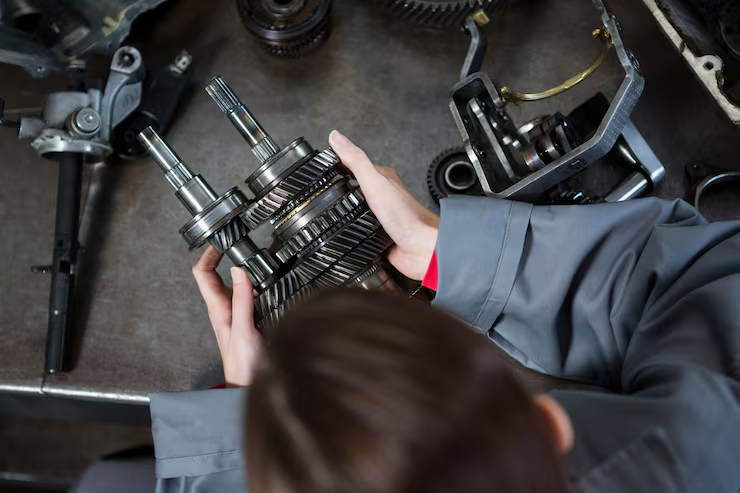
Vehicle performance depends heavily on the health of its transmission system. While many drivers focus on engines, tires, or fuel efficiency, the transmission quietly manages the transfer of power from the engine to the wheels. When this system begins to fail, even a well-maintained car can quickly develop serious performance issues.
In countries like Austria, where vehicles frequently travel long highway distances and navigate mountainous terrain, transmission reliability becomes even more important. Understanding how transmission systems work, recognizing early warning signs, and knowing when professional getriebereparatur is required can help drivers avoid costly damage and maintain vehicle longevity.

The Role of the Transmission in Vehicle Performance
The transmission is responsible for controlling the distribution of engine power and adjusting it according to driving conditions. Whether a vehicle uses a manual or automatic system, the transmission ensures smooth acceleration and efficient fuel use.
How Transmission Systems Operate
A transmission system regulates gear ratios between the engine and wheels. By adjusting these ratios, the vehicle can maintain power while adapting to different speeds and loads. Modern vehicles rely on complex internal components such as gear sets, hydraulic systems, sensors, and electronic control modules.
When these parts function correctly, drivers experience seamless gear changes and steady power delivery. However, when internal wear or mechanical issues arise, the system may struggle to maintain proper performance.
Why Regular Maintenance Is Important
Routine maintenance is essential for preserving transmission health. Fluid quality, temperature management, and mechanical wear all influence system efficiency. Transmission fluid lubricates internal parts, reduces heat, and ensures smooth gear engagement.
Without proper maintenance, internal components can experience friction and overheating. Over time, this can lead to problems that eventually require professional getriebereparatur to restore functionality.
Common Signs That Transmission Repair May Be Needed
Many transmission problems develop gradually. Recognizing early symptoms can help prevent minor issues from becoming major mechanical failures.
Delayed or Rough Gear Shifting
One of the most noticeable warning signs is delayed gear shifting. Drivers may feel hesitation when accelerating or experience sudden jerks during gear changes. These symptoms often indicate internal wear, fluid problems, or sensor malfunctions.
Ignoring these signs can cause additional strain on internal components, potentially leading to more extensive repairs.
Unusual Noises During Driving
Grinding, whining, or humming sounds coming from the transmission area can signal internal damage. These noises may appear during acceleration, deceleration, or gear changes.
While occasional mechanical sounds are normal in older vehicles, persistent or loud noises should always be inspected by experienced technicians.
Fluid Leaks and Overheating
Transmission fluid plays a crucial role in maintaining system health. When leaks occur, fluid levels drop, increasing friction and internal heat.
Overheating transmissions may cause slipping gears, inconsistent acceleration, or warning lights on the dashboard. Addressing these issues early often prevents complete transmission failure.
Understanding Automatic Transmission Repair in Austria
Modern vehicles increasingly rely on automatic transmissions due to convenience and efficiency. However, these systems are complex and require specialized expertise for accurate diagnosis and repair.
Why Automatic Transmissions Require Specialized Care
Automatic transmissions contain intricate hydraulic systems, torque converters, and advanced electronic controls. Even minor issues can involve multiple components working together.
Because of this complexity, automatikgetriebe reparatur österreich often requires technicians with specialized training, diagnostic tools, and experience with modern transmission technologies.
Repair procedures may include fluid system checks, electronic diagnostics, component replacement, or complete system recalibration.
Factors That Influence Transmission Lifespan
Several factors determine how long a transmission system will last. Driving habits, maintenance frequency, and environmental conditions all play a role.
For example, frequent stop-and-go traffic, towing heavy loads, or driving in mountainous areas can increase stress on transmission components. Regular inspections and proper fluid maintenance help reduce this strain and extend system life.
Choosing Professional Transmission Repair Services
When transmission problems appear, choosing the right repair specialists becomes essential. Because transmissions involve both mechanical and electronic components, accurate diagnosis requires advanced expertise.
Drivers seeking reliable information about professional repair services and technical solutions can explore resources available through platforms such as
https://www.veltech.at/ which provide insights into modern transmission maintenance and repair approaches.
What to Expect During a Professional Inspection
A professional transmission inspection usually involves several diagnostic steps. Technicians begin by examining fluid levels and quality before performing computer diagnostics to identify electronic issues.
If mechanical problems are suspected, further inspections may involve pressure testing, internal component checks, and road testing to evaluate real-world performance.
These diagnostic procedures allow technicians to determine whether the transmission requires minor adjustments, component repairs, or more extensive servicing.
Preventing Future Transmission Problems
Preventative care remains the most effective way to reduce the likelihood of transmission failure. Simple maintenance habits can significantly extend system lifespan.
Drivers can protect their transmissions by:
- Following recommended fluid replacement intervals
- Avoiding aggressive acceleration or sudden gear shifts
- Addressing warning signs early
- Scheduling periodic professional inspections
Taking these steps helps ensure smoother operation and reduces the risk of unexpected breakdowns.
Conclusion
The transmission is one of the most important systems in any vehicle, yet it often receives less attention than the engine or braking components. Understanding how transmissions work, recognizing early warning signs, and maintaining proper service intervals are essential for long-term vehicle reliability.
Whether a driver operates a manual or automatic vehicle, timely getriebereparatur can prevent small mechanical issues from turning into major repairs. In Austria, where vehicles often encounter demanding road conditions, professional expertise in automatikgetriebe reparatur österreich plays a crucial role in keeping cars safe and efficient.