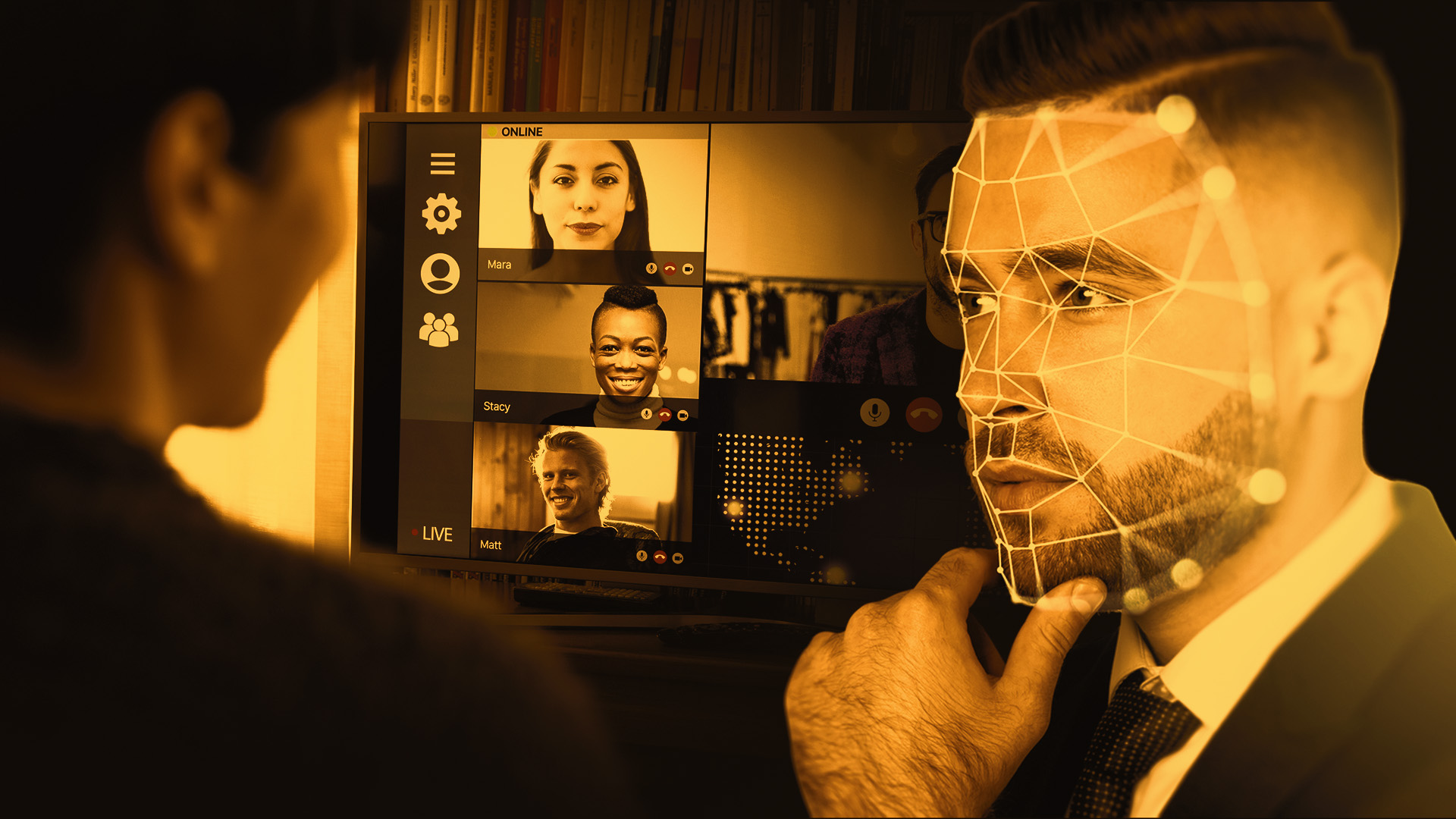
Artificial intelligence creates massive risks for corporate security groups. Fraudsters build synthetic media to trick teams and bypass networks. These digital fakes mimic human speech and facial movements. Organizations need defensive plans to spot these items. Security professionals must check every incoming video and audio file.
Attacks move fast when staff members trust unverified media files. Bad actors exploit human psychology during live conversations. Security teams must deploy detection tools to evaluate file integrity. This work preserves network boundaries and limits data exposure. Specialized software helps teams monitor communication channels for fraud.
Modern Tools for Corporate Deepfake Protection
Corporate defense requires advanced systems to flag synthetic content. Standard security tools fail to detect modified audio or video tracks. Software platforms inspect files for frame jitter and mouth mismatches. These facts help security managers make safe decisions. Using Deepfake Protection keeps corporate networks secure from media manipulation.
Security platforms generate deep reports about media file structures. They look for anomalies that human eyes miss. The software tracks pixel changes and voice rhythm markers. This information reveals the truth behind suspicious files. Companies use these reports to stop fraud attempts.
How to Spot a Deepfake Job Applicant
Fake candidates try to infiltrate technology businesses through online interviews. They use digital masks to hide their real identities. These intruders want access to private company code bases. Security managers must build strict verification steps for remote hiring. Identifying a Deepfake Job Applicant keeps your data systems safe.
Recruiters can watch for odd visual signs during calls. Look for unnatural skin colors and blurred hair borders. Check if the candidate blinks during the chat. These simple steps reveal if the face is real. Catching these intruders prevents intellectual property theft.
Technical Metrics in Deepfake Protection
Analysis software scans video files for frame level jitter. Fake videos often show small errors around the mouth area. Sound tracks might not match lip movements during live streams. Detection programs flag these technical flaws to alert security staff. This data helps teams block unauthorized file transfers.
Security groups use technical data to update firewall filters. They block lookalike domains that host malicious media files. Tracking attacker methods improves overall network defense quality. Software tools provide the evidence needed to confirm media fraud. Accurate metrics remove doubt from corporate security operations.
Threat Intelligence Reports for Deepfake Protection
Detailed reports offer clear proof of media file modification. The software highlights specific areas where fakers changed pixels. Security officers use this data to warn other departments. Sharing threat intelligence prevents widespread social engineering scams. Teams stay safe by studying adversary strategies and tools.
Reports display clear metrics about video and audio integrity. Managers view the results on a central security platform. This visibility allows teams to track threat trends over time. Solid information helps executives fund the right security programs. Data driven defense protects company wealth and data.
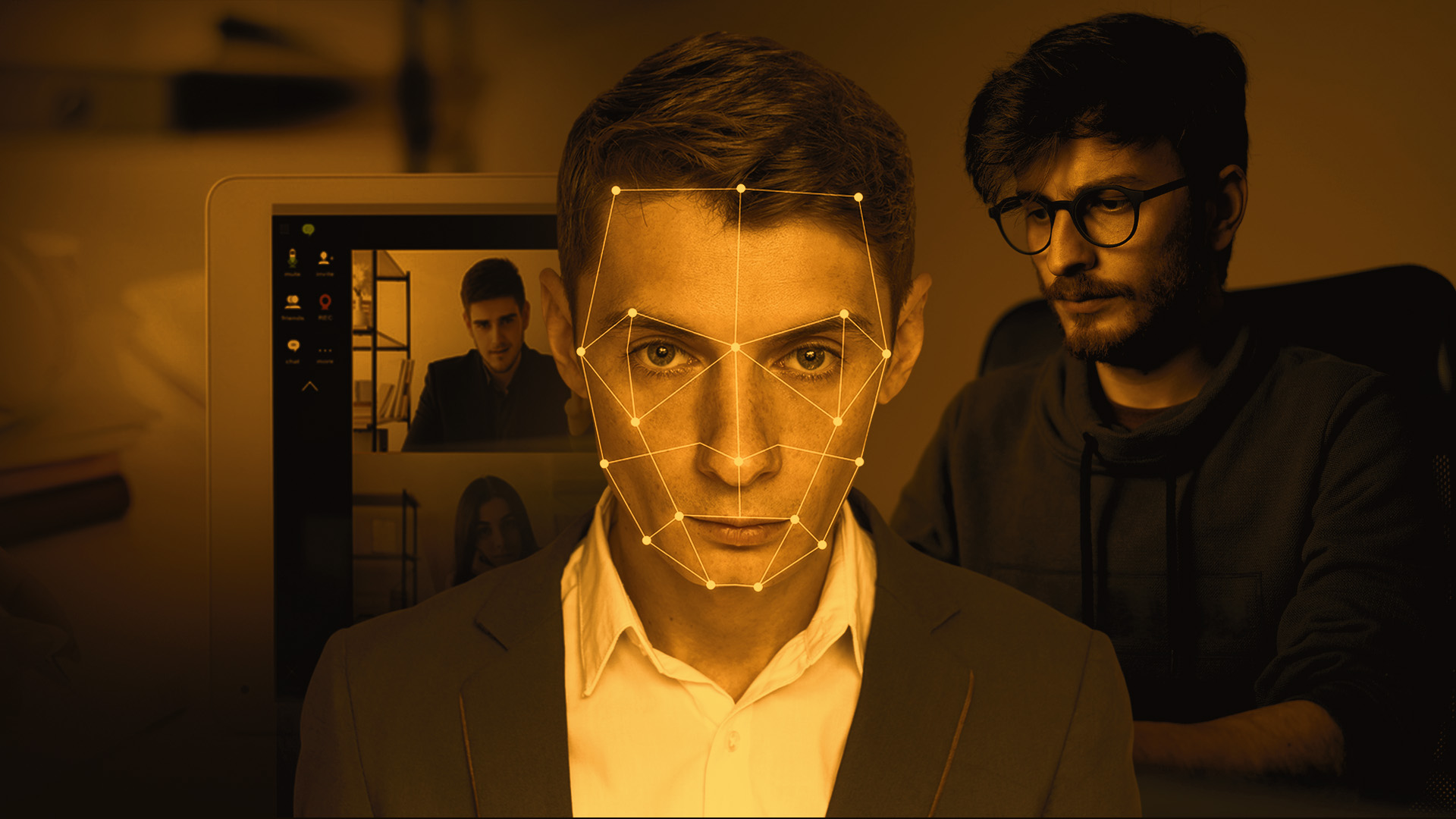
Managing Risks From a Deepfake Job Applicant
Unverified workers introduce significant vulnerabilities into corporate computer networks. They can steal customer data or deploy ransomware links. Threat actors use fake backgrounds to look professional online. Businesses must confirm every applicant background before offering jobs. Managing this risk requires close cooperation between security and HR.
Companies face severe legal liabilities if fake workers steal data. Reputation damage lasts for years after a major breach. Checking applicant video feeds protects the corporate brand. Security teams must monitor all recruitment platforms for suspicious activity. Early detection preserves company trust and workplace security.
Social Engineering Tactics and Deepfake Protection
Attackers use fake corporate voices to demand urgent money transfers. They pretend to be company executives in phone messages. This tactic tricks accounting staff into breaking payment rules. Implementing verification checks blocks these social engineering tricks. Security awareness programs teach workers to challenge unusual requests.
Education helps employees recognize voice clones and fake videos. Staff members learn to call executives back on secure lines. This verification step stops fraud before cash leaves the company. Combining alert workers with detection tools creates strong network security. Organizations remain safe from advanced identity fraud attempts.
Screening Processes to Stop a Deepfake Job Applicant
Hiring teams must update screening protocols for remote workers. Ask candidates to perform specific actions during video calls. Have them read unexpected text phrases aloud during interviews. These tests disrupt real time face alteration software tools. Screening upgrades protect company networks from dangerous data intruders.
Human resource managers must coordinate with corporate security officers. They check identity papers against public records for accuracy. Verifying candidate history blocks malicious threat actors from getting jobs. This process ensures only real talent joins your corporate team. Safe hiring practices shield internal systems from damage.
Software Frameworks for Deepfake Protection
Specialized software frameworks evaluate media files for safety markers. They look at emotional influence factors in text and speech. This framework approach uncovers the real intent behind messages. Security professionals gain a deep understanding of attacker campaigns. Framework analysis improves corporate defense against deceptive media.
Security systems use SaaS solutions to review file uploads. Workers submit suspicious media files through a web interface. The system checks the data and gives answers. This setup allows companies to inspect files without complex software setups. Easy access keeps security workflows fast and efficient.
Conclusion
Synthetic media fraud creates massive issues for modern corporate networks. Organizations must adopt advanced tools to check file authenticity. Training employees and updating hiring steps reduces identity risks. Safe practices protect company cash and private user data. Investing in defense shields your business from digital trickery.
Security teams must monitor threat trends to block advanced fakes. Verifying video calls and media files ensures network safety. Work with experts to deploy reliable detection software platforms today. Proactive steps keep your company secure in a digital world. Maintain strong defenses to preserve corporate trust.
Questions and Answers
Q: What is the main goal of synthetic media fraud?
A: Attackers use fake files to steal corporate money or data. They impersonate leaders to authorize wire transfers. They also create fake profiles to gain employment inside technology firms to conduct corporate espionage.
Q: How do face swap tools show errors?
A: Face swap tools often create blurred lines around the hair. You might notice unusual lighting changes on the cheeks. The mouth movements might look stiff or fail to sync with audio tracks during the call.
Q: Can standard antivirus software catch fake videos?
A: Standard antivirus software cannot detect altered media files or face clips. These files do not contain typical malware code chains. Companies need specialized detection platforms to scan videos for synthetic traits and markers.